Drowning a shark or, you can't rest on your laurels
 Every kid growing up goes through phases as regards what
they would like to do with their lives. You know, things like wanting to be a
cowboy, superhero, fireman, etc. In my case, my evolution included a list of “ologies”-
paleontology, ornithology, herpetology, etc. The first one that was really
serious was marine biology, specifically, the study of sharks. This eventually
gave way to medicine but my interest in sharks has never waned.
Every kid growing up goes through phases as regards what
they would like to do with their lives. You know, things like wanting to be a
cowboy, superhero, fireman, etc. In my case, my evolution included a list of “ologies”-
paleontology, ornithology, herpetology, etc. The first one that was really
serious was marine biology, specifically, the study of sharks. This eventually
gave way to medicine but my interest in sharks has never waned.
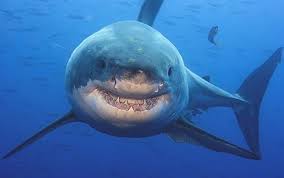 Sharks are fascinating creatures. Some fascination is
natural about any creature that can kill and eat us. In the case of sharks, this has
been fueled by the lurid news stories of shark attacks and sensational fictional
accounts of which, without a doubt, the top one is Jaws by Peter
Benchley. Over time, the hysteria and overreaction regarding the danger posed
by sharks has been mitigated by information and more scientific shows such as
seen on the popular, annual feature of the Discovery Channel, Shark Week
(although, admittedly some of the shows do border on the sensational but, then
again, ratings trump all).
Sharks are fascinating creatures. Some fascination is
natural about any creature that can kill and eat us. In the case of sharks, this has
been fueled by the lurid news stories of shark attacks and sensational fictional
accounts of which, without a doubt, the top one is Jaws by Peter
Benchley. Over time, the hysteria and overreaction regarding the danger posed
by sharks has been mitigated by information and more scientific shows such as
seen on the popular, annual feature of the Discovery Channel, Shark Week
(although, admittedly some of the shows do border on the sensational but, then
again, ratings trump all).
 A little known fact about sharks among those who have only a
passing interest, or no interest at all, is that nearly every species of shark
must swim continuously or they will suffocate. You could say they would drown.
You see, sharks do not have the ability to move water across their gills as
fish do. To keep water flowing, they must keep moving forward. As if that weren’t
enough, they don’t have swim bladders either, an organ seen in fish which
allows them to control their buoyancy. So, if a shark stops swimming, they not only die,
they sink to the bottom as well. So, if a shark wants to grow, reproduce, and
live a long life, they must constantly move forward.
A little known fact about sharks among those who have only a
passing interest, or no interest at all, is that nearly every species of shark
must swim continuously or they will suffocate. You could say they would drown.
You see, sharks do not have the ability to move water across their gills as
fish do. To keep water flowing, they must keep moving forward. As if that weren’t
enough, they don’t have swim bladders either, an organ seen in fish which
allows them to control their buoyancy. So, if a shark stops swimming, they not only die,
they sink to the bottom as well. So, if a shark wants to grow, reproduce, and
live a long life, they must constantly move forward.
 It has been over 5
weeks since I completed the Ironman triathlon at which time I was undoubtedly
the fittest I have been in my adult life. I have been, to put it bluntly, a
couch potato ever since, with one swim and a Thanksgiving day 5K run to my
credit. Yesterday, I slipped on the running shoes and my Garmin and went out
for a 3.5 mile run around the lake. I felt like I was starting over. My body
revealed a disturbing amnesia for the Ironman effort and acted like this was
something new and very demanding. My Garmin registered a training effect of
4.6. A 4 is “highly improving”. A 5 is “overreaching”. Before the Ironman, it
would have taken a sustained, serious effort to register a 4.6, meaning that my
body, in a few short weeks has “de-conditioned” almost totally. This is
disheartening. It is also a fact of life that we ignore at our peril.
It has been over 5
weeks since I completed the Ironman triathlon at which time I was undoubtedly
the fittest I have been in my adult life. I have been, to put it bluntly, a
couch potato ever since, with one swim and a Thanksgiving day 5K run to my
credit. Yesterday, I slipped on the running shoes and my Garmin and went out
for a 3.5 mile run around the lake. I felt like I was starting over. My body
revealed a disturbing amnesia for the Ironman effort and acted like this was
something new and very demanding. My Garmin registered a training effect of
4.6. A 4 is “highly improving”. A 5 is “overreaching”. Before the Ironman, it
would have taken a sustained, serious effort to register a 4.6, meaning that my
body, in a few short weeks has “de-conditioned” almost totally. This is
disheartening. It is also a fact of life that we ignore at our peril.
 It is a truism that we cannot rest on our laurels. All
accomplishments recede in time, replaced by the query, “what have you done
lately?” Physiologically, our bodies ask this question of us when we cease to
properly care for them. It doesn’t matter that you brushed your teeth a week
ago. If you don’t do this regularly, you will likely find yourself dealing with
dentures someday. Quit exercising and in a few weeks it won’t matter if you won
at Kona (the world Ironman championship, for readers that don’t keep up with
such things), you will become a couch potato.
It is a truism that we cannot rest on our laurels. All
accomplishments recede in time, replaced by the query, “what have you done
lately?” Physiologically, our bodies ask this question of us when we cease to
properly care for them. It doesn’t matter that you brushed your teeth a week
ago. If you don’t do this regularly, you will likely find yourself dealing with
dentures someday. Quit exercising and in a few weeks it won’t matter if you won
at Kona (the world Ironman championship, for readers that don’t keep up with
such things), you will become a couch potato.
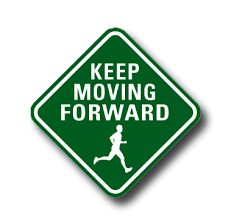 So, in a figurative and more gradual way, we have this in
common with sharks (beyond the voracity of certain human species like corporate
raiders, day traders, attorneys, politicians, etc. who, in a frenzy, may attack
others of their own kind): if we do not keep moving forward, we will sink to
the bottom and die. It is an object lesson we either learn from nature, or pay
the price. And, it is a steep price. I see it paid out in my practice every single
day.
So, in a figurative and more gradual way, we have this in
common with sharks (beyond the voracity of certain human species like corporate
raiders, day traders, attorneys, politicians, etc. who, in a frenzy, may attack
others of their own kind): if we do not keep moving forward, we will sink to
the bottom and die. It is an object lesson we either learn from nature, or pay
the price. And, it is a steep price. I see it paid out in my practice every single
day.


No comments:
Post a Comment